![O[yes]](https://youngemployeesafety.org/wp-content/uploads/2024/10/logo-tagline-500-new.png "logo-tagline-500-new")
Nineteen-year-old summer camp employee dies in ATV rollover
Oregon OSHA investigated this incident from 2024, and it is a good reminder for young employees who work with ATVs.
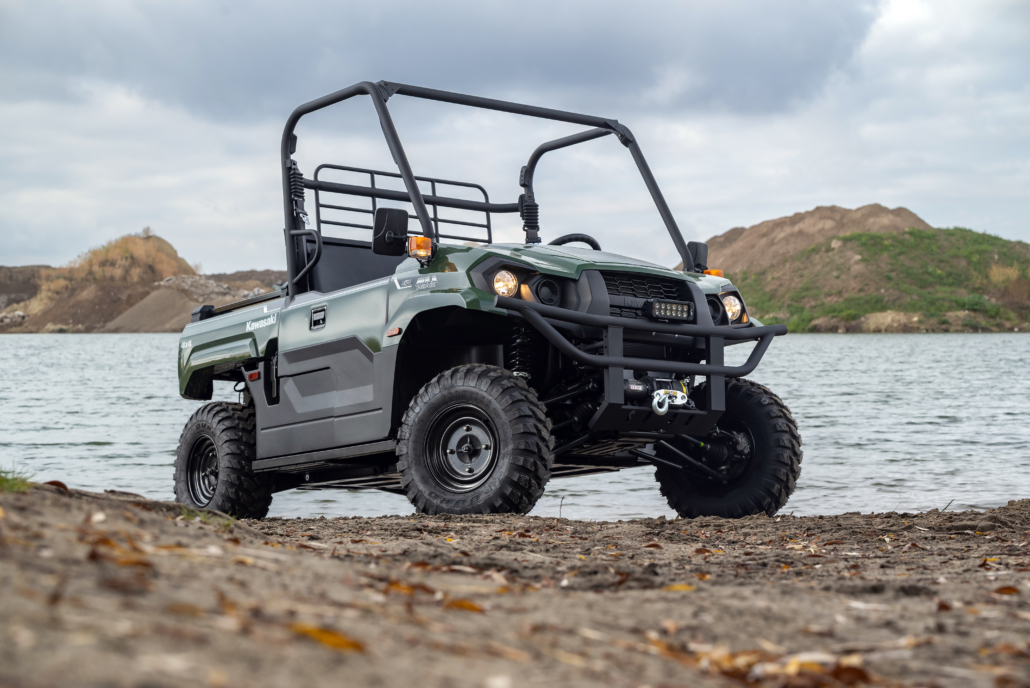
Just before 3:00 p.m. on August 6, 2024, two young employees at a 66,000-acre recreational summer camp in central Oregon for high school and middle school students set out on a Kawasaki Mule side-by-side ATV to refill water coolers at the camp’s four zipline towers.
Their first stop was zipline tower three at the top of a sloped gravel road where they loaded empty coolers in the back of the Mule and began driving back down the road.
The ATV operator turned left around a corner and followed the road downhill for about 50 feet – suddenly the Mule swerved left off the road onto the side of a hill. As the Mule began to overturn, the 19-year-old passenger fell through the adjacent window opening and was pinned under the vehicle when it came to rest on its side.
Nearby campers and an employee working on zipline tower three heard the crash and rushed to the scene.
The employee called 911 to report the emergency and asked for immediate assistance from the camp’s on-site medical team. The campers lifted the Mule off the passenger and one of them who was CPR-certified began performing CPR.
The medical team arrived within 10 minutes and continued life-saving support for another 40 minutes. An ambulance transported the passenger to the camp’s airstrip for a Life Flight to a hospital, but an in-house physician pronounced the employee deceased before the aircraft arrived.
Three key findings from Oregon OSHA’s investigation
- The ATV operator and the passenger were not wearing seatbelts. The Mule was equipped with retractable three-point seatbelts for all occupants; the operator’s manual stated, “Always wear the seatbelts when operating and riding in the vehicle.” The camp also had a written policy that required camp employees to use the Mule’s seatbelts, but the policy was not enforced.
- The ATV operator and the passenger were not wearing helmets. The first camper to reach the site said the passenger was caught between the ground and the Mule’s rollover protective structure. Although camp visitors were required to wear helmets when they were riding in the Mule, the requirement did not apply to staff. The operator’s manual also said, “Wear an approved helmet and protective gear. Rollovers have caused severe injuries and death even on flat, open areas.”
- The ATV operator had not completed company-required driver screening. The camp’s safety policy required all ATV operators to complete screening that included verifying that the operator had a valid driver’s license and reviewing the operator’s driving record but camp managers acknowledged those requirements had been overlooked.
Three things to remember to stay safe
- Always follow the ATV manufacturer’s protective equipment requirements. Typical protective equipment for ATV operators and passengers includes U.S. Department of Transportation approved helmets with a fastened chinstrap and safety goggles, over-the-ankle boots, off-road style gloves, and any other equipment recommended by the ATV manufacturer.
- Always use seatbelts when they are available. Operators and passengers must use seatbelts on any ATV that has seats and seatbelts installed by the manufacturer. Passengers are not allowed to ride in an ATV unless the ATV is designed to accommodate them.
- Only permit trained, authorized employees to operate ATVs. Employees must be trained, instructed, and supervised to operate ATVs. Training must cover the vehicle’s operation, manufacturer’s recommendations, and safe work practices for the environment in which the vehicle will be operating.

