![O[yes]](https://youngemployeesafety.org/wp-content/uploads/2024/10/logo-tagline-500-new.png "logo-tagline-500-new")

Oregon Odd Jobs: Lessons learned from my first day at a whole bunch of jobs
By Corey Jenkins
Workplace safety should be top of mind for young employees entering the workforce.
When I stepped into my first day as host of Oregon Odd Jobs, I expected to meet some cool people, see unique workplaces, and try a few tasks that were a bit outside my comfort zone. All of that was true—but what surprised me most was just how much safety is at the core of every job.
SAIF’s Oregon Odd Jobs has been running on YouTube since 2023. Our show celebrates the weird and wonderful jobs Oregonians do, and how they stay safe doing them. Through the series, I try out all of the jobs we are featuring. We’ve covered more than two dozen jobs, with more episodes on the way in 2026.
After many first days at different jobs, I’ve picked up tips every new—especially young—employee should know when entering the workforce.
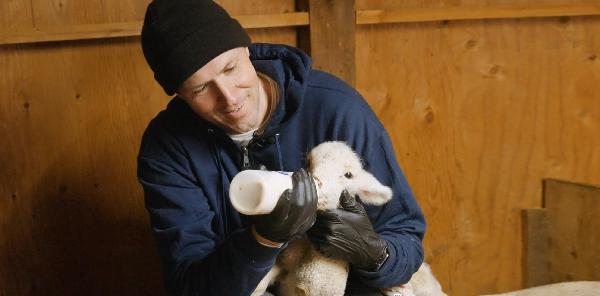
1. Safety isn’t a separate task—it’s a core part of the work
One of the biggest realizations I had early on is that workers don’t stop to “switch into safety mode.” Safety is woven through everything in the workplace. How equipment is set up, how workers lift, how they communicate, and even how they move contributes to safety.
One common theme I’ve found on the many jobsites I’ve visited is that people truly care about safety. They’re not doing it just so they don’t get in trouble or get fined, but rather they want to keep people healthy and at work. No one wants to get injured, and it’s worth taking the time to do things safe to prevent accidents.
The best mindset young employees can adopt is the idea that safety isn’t a box you check, it should be central to every task.
2. Every workplace has hazards—stay alert
Across the series, we’ve visited a leather studio, bakery, fish hatchery, log home construction site, amusement parks, several farms, and much more. Every single job has its own set of risks and hazards. Some are easy to spot, and others are sneakier—it’s not always the most obvious hazard that injures people. For example, at Homestead Log Homes, where chainsaws are used everywhere, workers tend not to be injured by chainsaws, but rather by sanders. Why is this? Well according to production manager Kelly Haviland, workers give a lot of respect to chainsaws, as everyone knows how hazardous they are. They “lock in” when using them. But when workers are done with the chainsaws and move to sanders, it may be the end of the day and they’re distracted and not fully paying attention to the work, and that’s when accidents and injuries happen.
Staying alert is super important, and complacency is something you can’t take for granted. As a new employee, being aware of hazards in your environment is one of the most important skills you can develop.
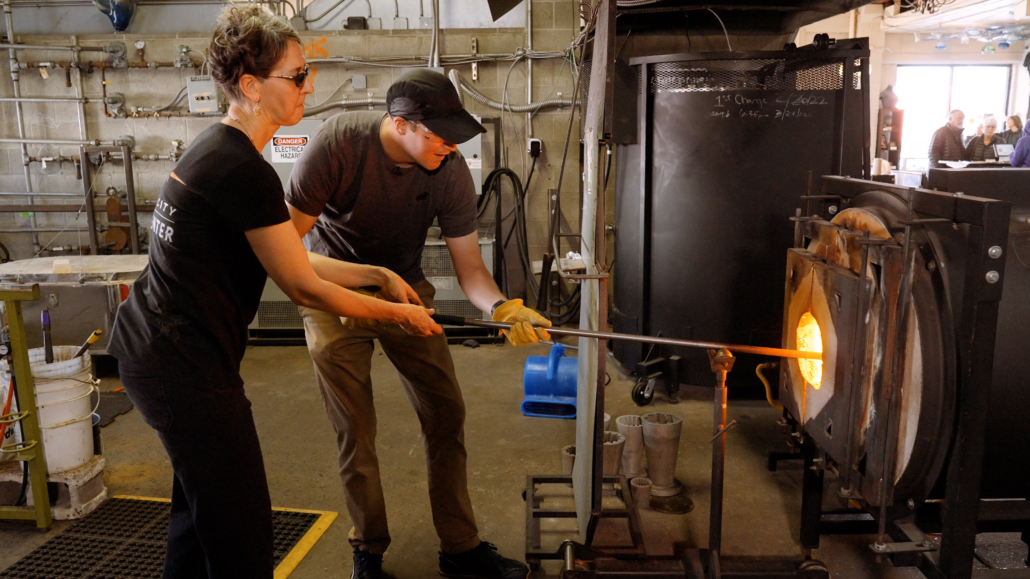
3. Ask questions—all the questions
There’s still so much I don’t know! How do you feed a shark without getting bitten? How do you keep from getting burned by molten glass? How do you scare people in a haunted house without getting punched? And just how do you clip a llama’s toenails without getting spit on?
Different jobs have different hazards, and some of them are quite unique. Rather than relying on what people call “common sense,” ask questions so you can learn the best ways to stay safe. I know sometimes people are hesitant to ask too many questions because they’re embarrassed, but I’ve found that other workers are happy to share their knowledge and expertise. Be curious and ask those questions!
4. You don’t need to be perfect—you just need to be willing to learn
Trying brand‑new tasks on camera has been a humbling experience. I mess things up. Like a lot! Just watch the show and you’ll see what I’m talking about. But what I’ve learned from the people who train me is that willingness and effort matters much more than expertise. Be humble, pay attention, and emulate the experts. You may be slower and will definitely make some mistakes, but you’ll find people will be patient and supportive. No one expects you to get it all 100% perfect the first time.
And pro tip: Be willing to do the tasks others don’t want, like taking out the trash or cleaning the toilets. It builds a lot of goodwill with your coworkers, and people will love you for it!
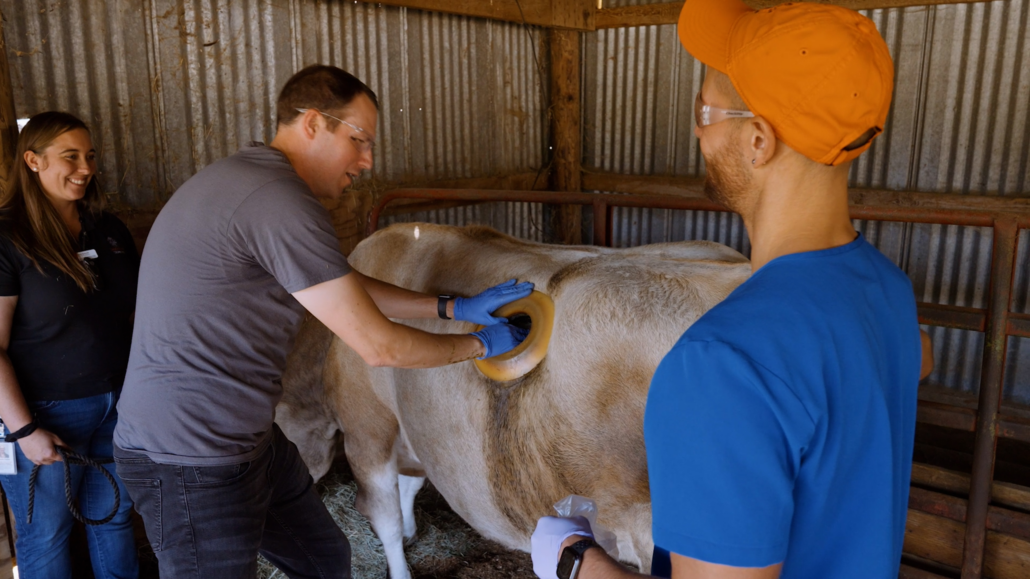
5. Safety is a team sport
Most jobs aren’t working in isolation. I’ve worked with crews to harvest oysters and corn, teamed up to paint newborn lambs, and coordinated with helicopter pilots to wrangle Christmas trees.
I’ve found teams are most effective when they care for each other. They call out present hazards and changing conditions, communicate clearly, have each other’s back, and pitch in together to make the work easier for all.
Safety culture isn’t created by posters or rules—it’s created by people looking out for each other.
Closing thoughts
Your first day on the job is a wonderful opportunity to learn and grow. Stay alert and learn about present hazards and safety protocols, ask questions, be humble and willing to learn, work as a team, and keep safety top of mind throughout the day. Following these tips will help keep you safe in any work environment, no matter how odd the job may be.
Learn more safety takeaways by watching the full Oregon Odd Jobs series at saif.com/oddjobs.
👉 https://www.saif.com/oddjobs
About SAIF
SAIF is Oregon’s not-for-profit workers’ compensation insurance company. For more than 100 years, we’ve been taking care of injured workers, helping people get back to work, and striving to make Oregon the safest and healthiest place to work. For more information, visit the About SAIF page on saif.com.

