![O[yes]](https://youngemployeesafety.org/wp-content/uploads/2024/10/logo-tagline-500-new.png "logo-tagline-500-new")

The one thing no one warns you about in “hustle culture”
By Ashley Castaneda-Alvarez
When we get our first job, we don’t know what’s considered normal in the workplace. This is a vulnerable position to be in, and as such we assume things like trusting you will never be asked to do anything that is unsafe. One consequence of this position of vulnerability is being completely unaware of the dangers of burnout.
Burnout is the feeling of being drained by work, yet unable to recover from this feeling between shifts. Having a weekend or vacation to recharge never seems to let you reset either. Burnout doesn’t happen in a day but creeps in over time. It more frequently develops in jobs that ask for consistently long working hours, unhealthy work cultures, and a lack of boundaries between being on and off the clock.
An example of this was when my close friend, James, decided to pick up a fast-food job while being a full-time college student. He remembers how, while being shown around on his first day, he made eye contact with a worker who looked like they were “dead inside.”
Eventually, James learned this was burnout, and he recognized it in his own mirror. James felt like he wasn’t able to work at his best in class or at work, and he stopped even having energy to hang out with his friends. Despite taking an occasional day off or having a spring break, he didn’t feel like he could reset. After he quit, the feeling didn’t go away, and his grades still struggled.
Recovering from burnout ends up taking months if not years. The road isn’t clear as it depends on someone’s individual situation. It does almost always require a reduction in workload. This is something James wished he had known. It’s also something I wished I had known when I first experienced burnout.
I wasn’t working crazy long hours at inconsistent times the way James did. I was, however, working in the service industry. I worked reasonable hours, but customer service at a utility company during the COVID-19 pandemic was grueling because people were lonely and angry.
My recovery looked a little different from James, I stuck with the job for a year and a half before I moved to a department working mainly with spreadsheets. My new boss was patient and compassionate as I slowly acclimated to my new job and eventually recovered from burnout. It took almost a year and a half.
If we could prevent becoming burned out, we would not only help our personal life but we’d more easily sustain productive work while remaining happy. The first step in preventing burnout is same first step in recovering from it: Recognition. We need to learn to recognize when we’re spreading ourselves too thin, pushing ourselves too hard, or seem to have lost the drive we used to have for producing our best work. Recognize red flags when interviewing at certain jobs (i.e. run from places that have workers who appear “dead inside”), care for yourself when working long and inconsistent shifts, and recognize the value of social connection, even if you’re tired.
Burnout is a daunting experience that is all too prevalent, but there is hope in prevention and recovery. The skill of recognizing burnout is key to helping ourselves but also preventing it in others. May we learn and practice this whether as a compassionate co-worker in a fast food restaurant, a leader of a team working spreadsheets, or as resident chief in a hospital.
Resources
https://mhanational.org/wp-content/uploads/2025/03/Burnout-Do-You-Need-Break.pdf
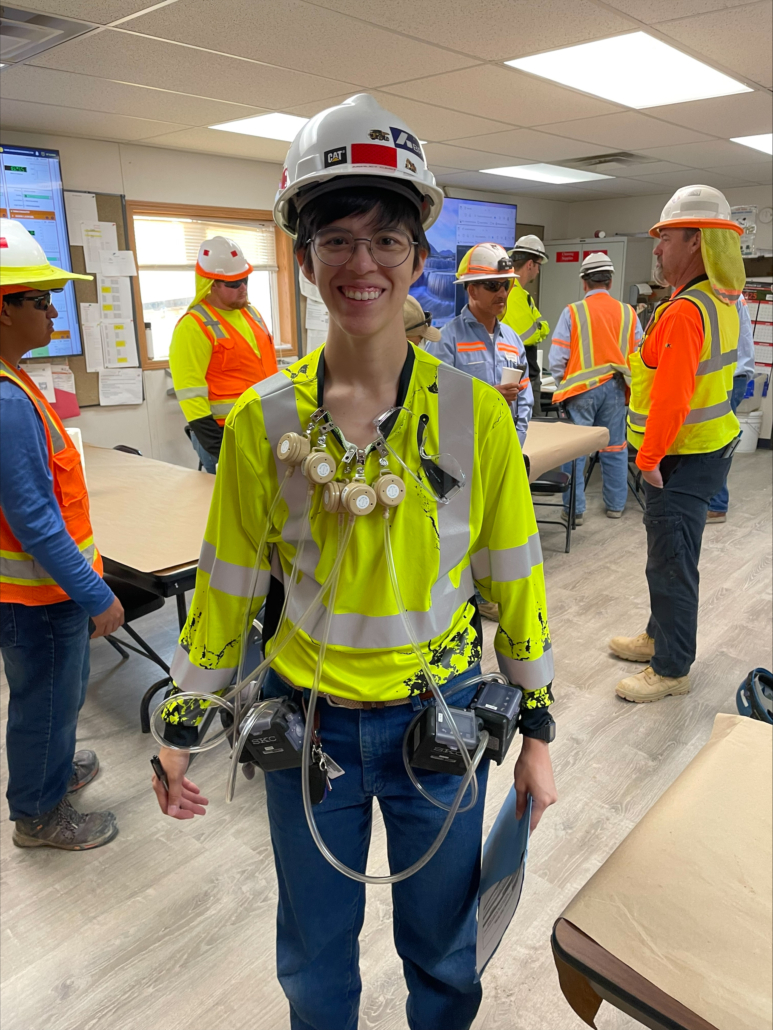
Ashley Castaneda-Alvarez is an intern at SAIF this summer. She is from San Diego, California, and is a junior at Utah State University majoring in public health with an emphasis in industrial hygiene and a minor in chemistry. After graduation she plans on getting experience and working towards her CIH certification.
She is very excited to complete an industrial hygiene project for SAIF, stating, “I aim to challenge myself this summer.” Outside of academics and volunteering, she also maintains four aquariums with shrimp, snails, tetra fish, catfish, loaches, and a betta fish.